Recurring revenue: memberships and service plans for auto repair
Building predictable revenue with maintenance plans or memberships, how to price them, and how they lift retention and valuation.
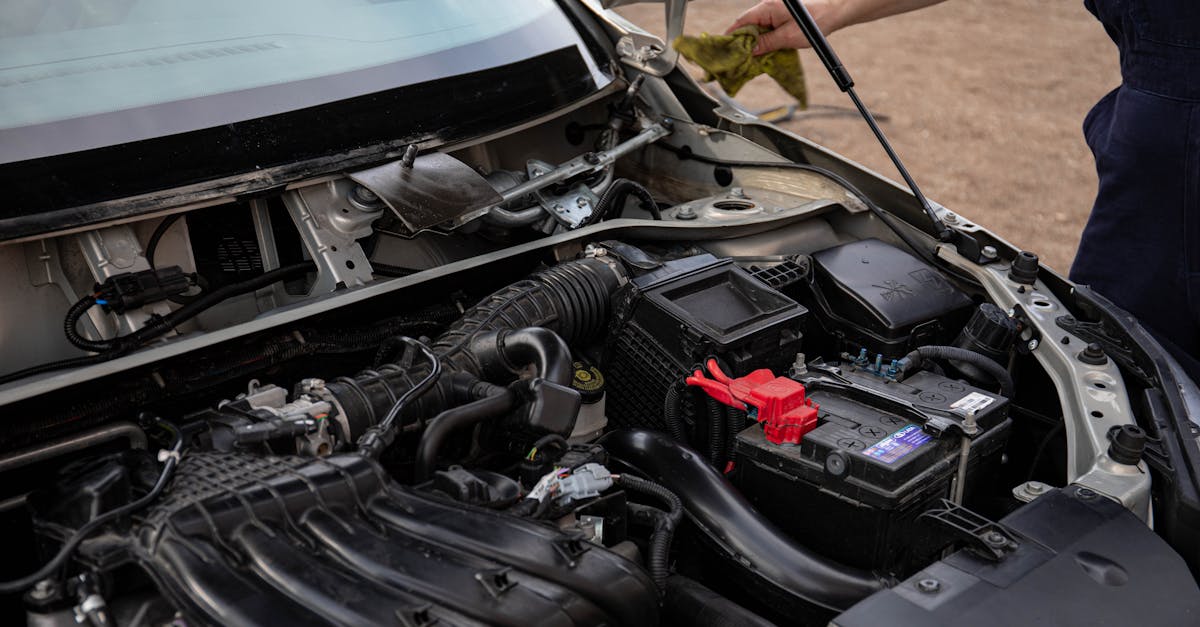 Sergey Meshkov · Pexels
Independent auto repair shops can create steadier cash flow by incorporating maintenance plans or membership programs. These arrangements bring customers back on a scheduled basis and typically include routine services such as oil changes, fluid top-offs, tire rotations, and inspections with a structured payment plan, offered monthly or annually. This model helps shops maintain consistent workshop utilization, filling slow periods and reducing reliance on emergency repairs.
Building Predictable Revenue
Maintenance plans provide a steady revenue stream by locking in a series of services, ensuring income regardless of unexpected failures. Start by listing common preventive tasks for frequently serviced vehicles, then group them into tiers based on driving habits or vehicle ages. Payment can be collected upfront for a full year or spread over monthly installments, helping shops forecast income and manage parts inventory accurately. Many shops use simple software to track these plans, send reminders, and record usage to keep staff informed about upcoming visits.
Pricing Strategies
Begin pricing by calculating the direct costs of included services plus a margin to cover overhead and desired profit. For example, a basic plan might include two oil changes, one tire rotation, and a multi-point inspection for a yearly fee between $200 and $400. A premium tier might add brake inspections, air filter replacements, and priority scheduling for $600 to $900. Monthly options might range from $15 to $35, often providing a small discount on additional repairs. Review parts and labor costs every six months to adjust fees appropriately. In Canada, account for provincial sales tax or HST on the membership fee, while many US states tax the fee only when services are performed.
Improving Customer Retention
Memberships encourage repeat visits as customers have prepaid for services and receive reminders for upcoming ones. Enhancing the plan with perks such as a discount on non-covered repairs or waived diagnostic fees adds value and reduces the likelihood of customers switching to another shop. Over time, data from these plans highlights loyal customers, allowing owners to focus marketing efforts on them rather than broad advertising.
Raising Business Valuation
Recurring revenue streams enhance shop appeal to potential buyers, who value predictable future income. Lenders and appraisers often apply higher multiples to businesses with steady subscription-style revenue, potentially increasing the sale price. Owners should maintain clear records of active memberships, renewal rates, and average revenue per member for due diligence. These records are also useful when seeking loans for equipment upgrades.
US and Canada Differences
While rules for consumer contracts are similar, enforcement details vary. US shops follow state laws on automatic renewals and must provide clear cancellation instructions. Canadian provinces may require bilingual disclosures or cooling-off periods for door-to-door membership sales. Tax treatment differs as noted, with Canadian owners remitting GST or HST on membership fees in most provinces. Cross-border owners might standardize plan benefits but adjust payment language and tax details to suit the local jurisdiction.
General information for auto repair business owners, not legal or financial advice.
This guide is general information for independent auto repair shop owners, not legal or financial advice. Some outbound links may be affiliate or sponsored links, which are disclosed and never affect our recommendations.
Related guides
Get guides like this weekly
Join The Auto Repair Bench Weekly. One useful email a week, free.
Subscribe free